Water Leak Detection in Denver, CO
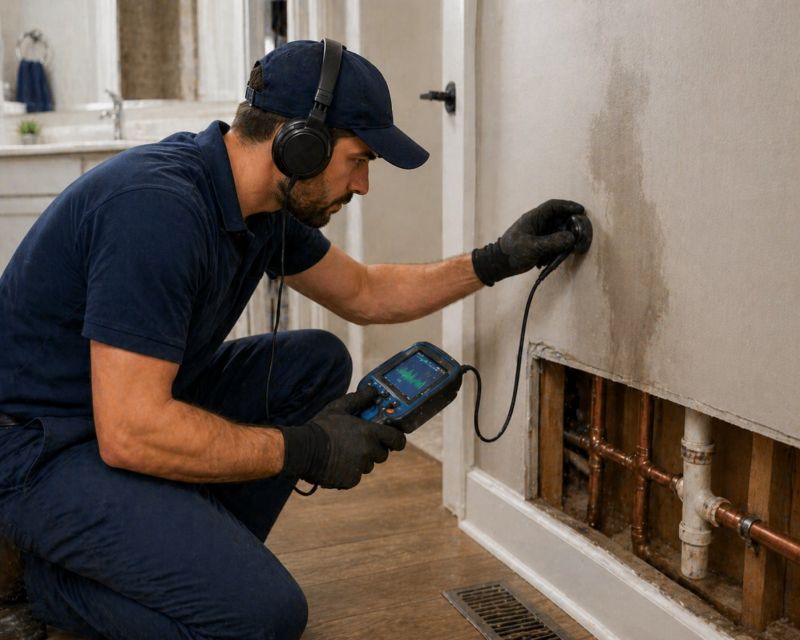
Water leak detection services help homeowners identify the source of hidden leaks within plumbing systems, walls, floors, or underground pipes. This service is often requested for projects such as persistent damp spots, unexplained increases in water bills, or the presence of mold and mildew. Property owners typically want to understand the location and extent of a leak before proceeding with repairs, ensuring that any damage can be addressed efficiently and accurately without unnecessary disruption to the property.
Before requesting water leak detection, property owners should consider the areas where leaks are suspected, such as bathrooms, kitchens, basements, or outdoor water lines. It’s helpful to have information about recent plumbing work, changes in water usage, or visible signs of water intrusion. Clear details about the problem’s location and history can assist in determining the most effective detection methods and ensure that the investigation is focused and thorough.
Many property owners in Denver, CO look into Water Leak Detection for repairs, replacements, upgrades, and appearance-related improvements.
Identifying Hidden Leaks
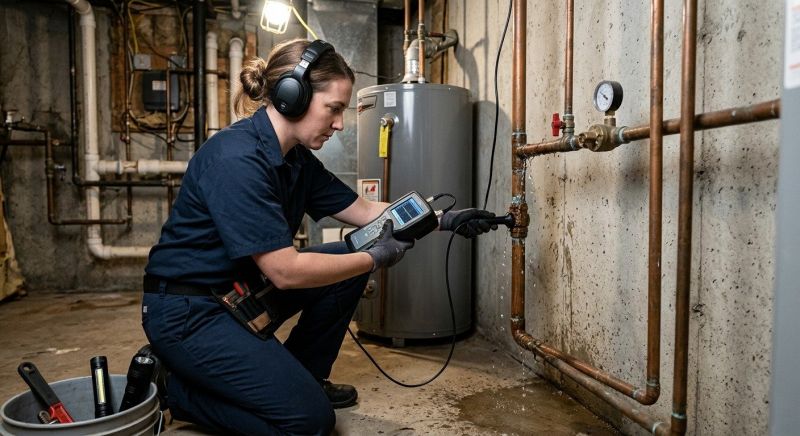
Advanced detection methods help locate leaks behind walls and under floors without invasive damage.
Preventing Water Damage
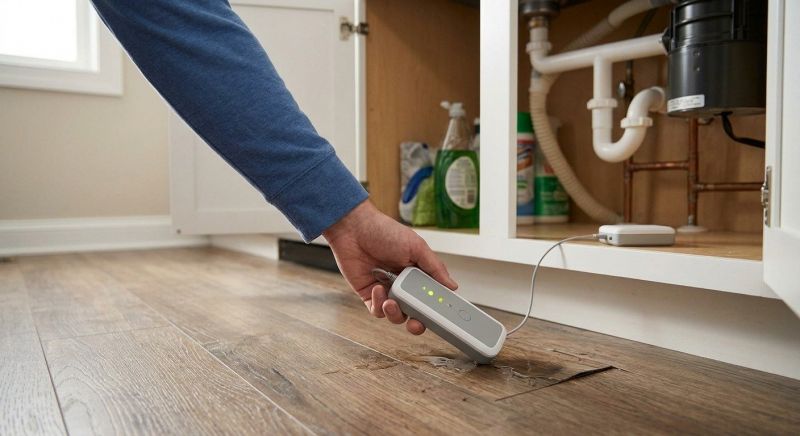
Early leak detection can prevent costly repairs and protect property structures in denver homes.
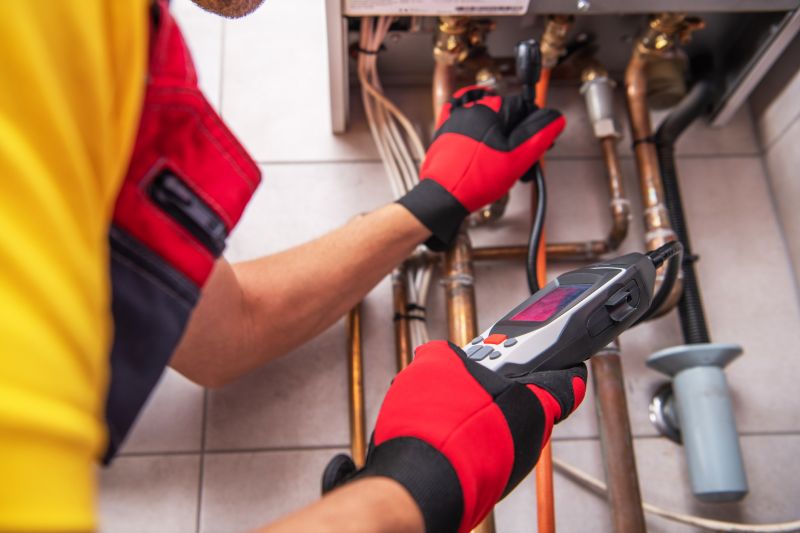
Leak Detection Technologies
Modern tools like thermal imaging and acoustic sensors ensure accurate identification of leak sources.
Water Leak Detection in Denver, CO
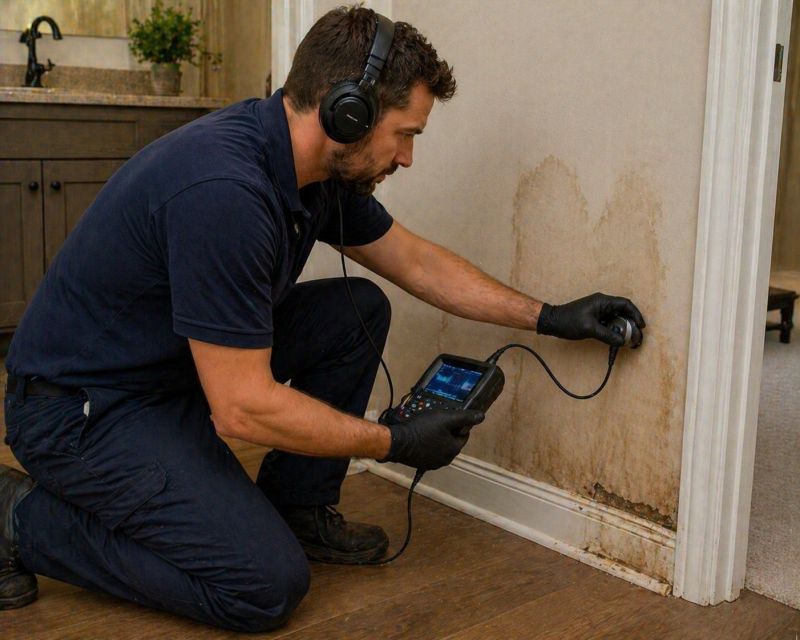
Water leak detection services help homeowners identify the source of hidden leaks within plumbing systems, walls, floors, or underground pipes. This service is often requested for projects such as persistent damp spots, unexplained increases in water bills, or the presence of mold and mildew. Property owners typically want to understand the location and extent of a leak before proceeding with repairs, ensuring that any damage can be addressed efficiently and accurately without unnecessary disruption to the property.
Before requesting water leak detection, property owners should consider the areas where leaks are suspected, such as bathrooms, kitchens, basements, or outdoor water lines. It’s helpful to have information about recent plumbing work, changes in water usage, or visible signs of water intrusion. Clear details about the problem’s location and history can assist in determining the most effective detection methods and ensure that the investigation is focused and thorough.
Many property owners in Denver, CO look into Water Leak Detection for repairs, replacements, upgrades, and appearance-related improvements.
Common Water Leak Detection Jobs
Leak detection in plumbing systems - identifies hidden leaks behind walls and under floors.
Sewer line leak detection - locates breaks or blockages in underground sewer lines.
Roof and attic leak detection - finds leaks that cause water intrusion in upper levels.
Sprinkler system leak detection - detects leaks in irrigation systems to prevent water waste.
Basement and foundation leak detection - reveals water entry points affecting structural integrity.
Water heater leak detection - finds leaks from water heaters before significant damage occurs.

Water Leak Detection Questions
How can I tell if I have a water leak? Signs include unexplained increases in water bills, damp spots on walls or floors, and the sound of running water when no fixtures are in use.
What areas are checked during leak detection? Common areas include pipes behind walls, under floors, in basements, and within outdoor plumbing systems.
Is water leak detection invasive? Some methods may involve minor access to walls or floors, but the process aims to identify leaks with minimal disruption.
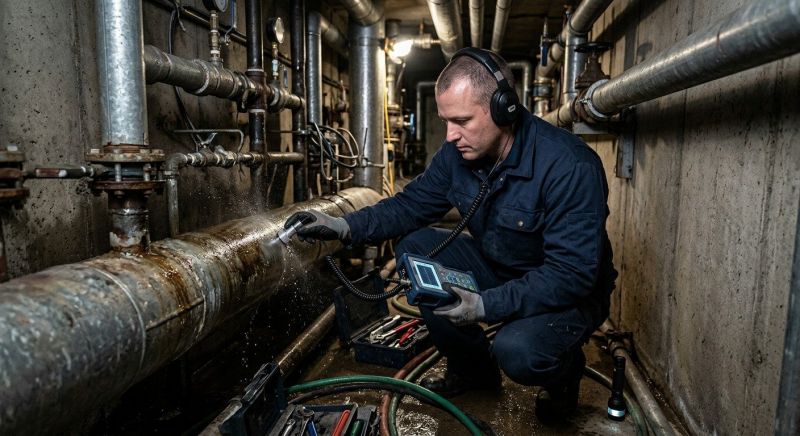
Why should property owners consider professional leak detection? Professionals use specialized equipment to accurately locate leaks, preventing unnecessary damage and costly repairs.
Request Water Leak Detection in Denver, CO
Use the quote form on this page to share the basics of your project and request more information for the type of work you need.